
Bathroom Planning Permission in the UK
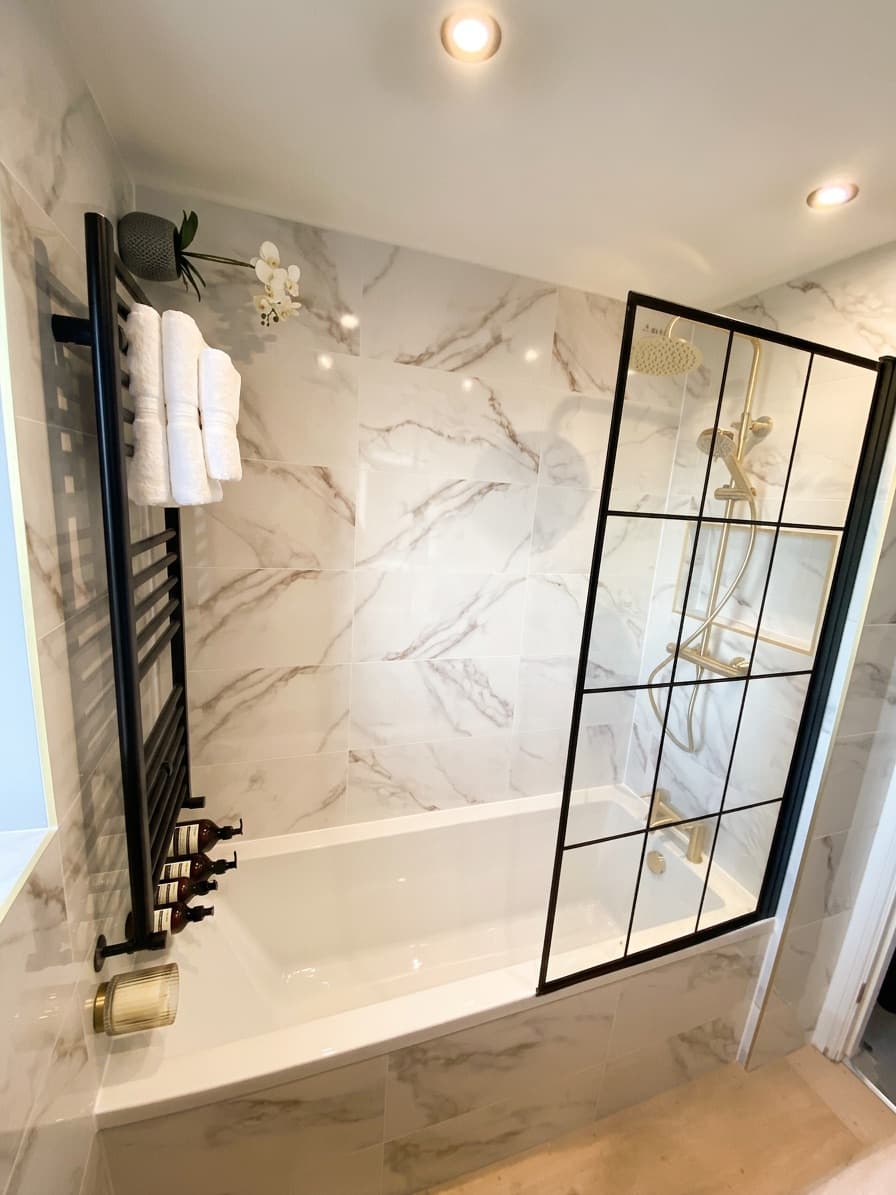
Planning permission and building regulations are a source of confusion for many homeowners planning a bathroom project. The good news is that most bathroom renovations and en-suite additions do not require planning permission. However, building regulations apply in some situations, and it is worth understanding when. This guide covers the key points.
Do You Need Planning Permission for a Bathroom Renovation?
In the vast majority of cases, no. Replacing a bathroom suite, retiling, or fitting a new shower does not require planning permission in England. These are internal alterations to an existing room and fall within what planning rules call permitted development.
If you are fitting a bathroom or en-suite in an existing room within the footprint of your home, such as converting a bedroom or a landing cupboard, this also generally does not require planning permission. It is an internal change of use within an existing structure.
The position changes if you are extending the property to create a new bathroom space, or if you live in a listed building or within a conservation area. In these cases, you should check with your local planning authority before starting work.
When Do Building Regulations Apply?
Building regulations are separate from planning permission and apply in different circumstances. For bathroom work specifically, building regulations are relevant when new drainage is being added, when an electrical installation is being altered or extended, or when structural changes are being made.
Adding a new en-suite often involves running new drainage and adding new electrical connections, such as an extractor fan or shower unit. Where this involves new electrical circuits or significant drainage work, building regulations approval may be required.
Most bathroom fitters who carry out full installations will be familiar with what notifications or approvals are needed and can advise you. Electrical work, in particular, must be carried out by a registered electrician or notified to the local authority building control under Part P of the Building Regulations.
Listed Buildings and Conservation Areas
If your property is a listed building, you will need listed building consent for any alterations, including internal ones, that affect the character or fabric of the building. This can include bathroom renovations if they involve work to original features or the historic fabric of the building.
Properties in conservation areas are subject to planning permission for external changes, but internal alterations generally do not require consent unless the property is also listed. If you are unsure, contact your local planning authority.
Simon has experience working in older and period properties and will advise if he thinks a proposed project might raise any consent issues. He is not a planning consultant, but he knows enough about older buildings to flag situations that warrant a check.
What About Permitted Development?
Permitted development rights allow homeowners to carry out certain types of development without applying for planning permission. Internal alterations, including bathroom renovations and en-suite additions, are generally covered by permitted development rights and do not require a formal application.
However, permitted development rights can be restricted or removed by planning conditions attached to a property, by its location in a conservation area, or by its listed building status. If you have any doubt about your property's status, it is worth a quick check with your local council's planning department before starting work.
For most homeowners in standard residential properties, the practical answer is simple: a bathroom renovation or en-suite addition does not need planning permission. Just make sure any electrical work is carried out correctly and, if new drainage is being added, check whether building regulations notification is needed.
Simon fits bathrooms and en-suites across Derbyshire and Nottinghamshire. He will discuss the scope of your project during the initial visit and flag any regulatory considerations that may be relevant. For a free visit and a clear, honest quote, contact Simon to arrange a convenient time.
Get a Free QuoteGet a free, no-obligation quote from Simon
Get in touch for a free, no-obligation quote. Simon will visit, discuss your plans, and give you a clear price. No surprises.
Free · No obligation · Response within 1 working day